Train the Body You Have Today: Why Auto-Regulation Is the Secret to Sustainable Fitness in Perimenopause
Building Strength Through Midlife: Part 1 of 4. A series exploring how women can adapt their training, nutrition, and mindset to build strength that lasts through midlife and beyond.
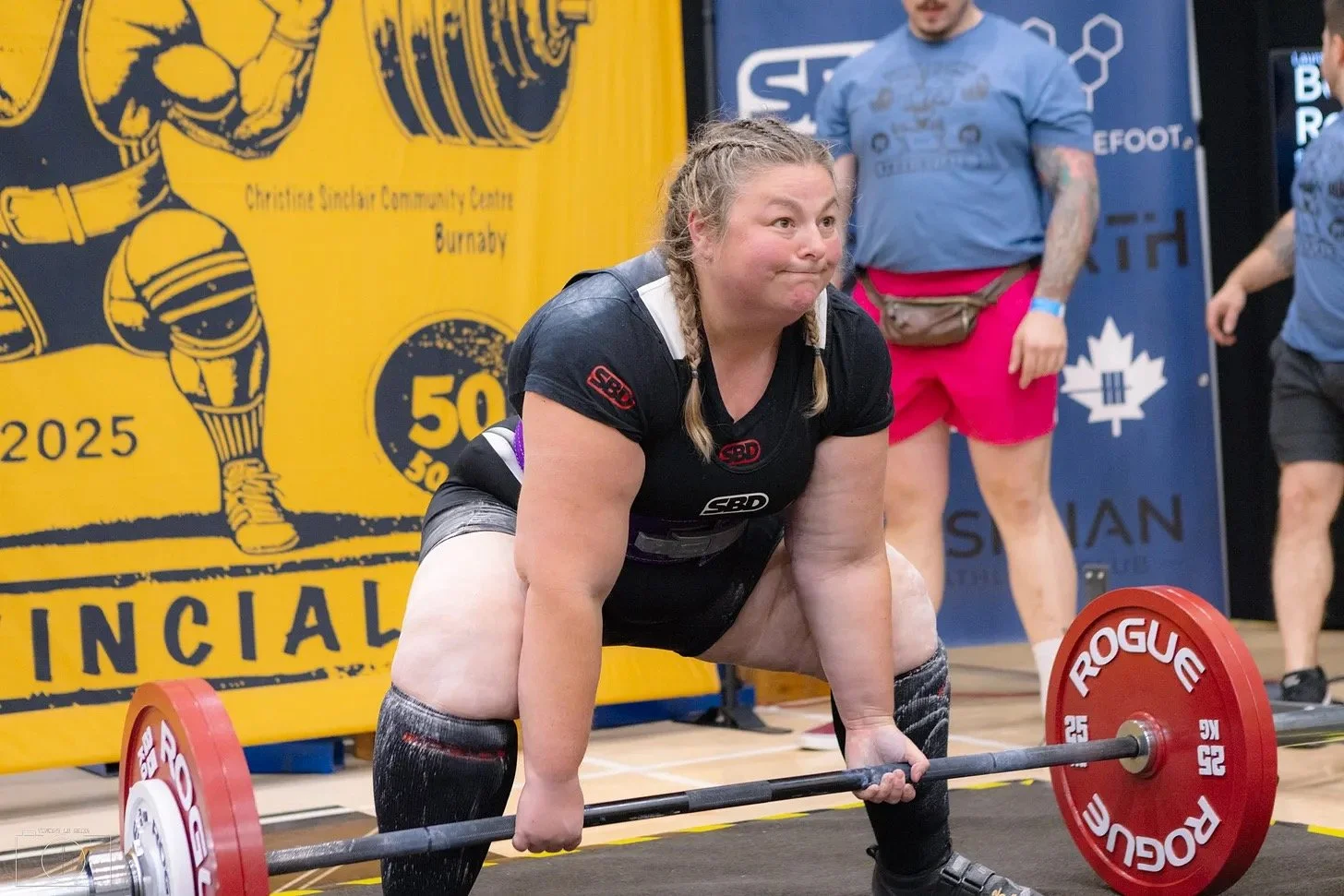
For years, many of us have been taught that success in fitness comes down to one thing: discipline. Follow the program. Push harder. Never miss a workout. Don’t question the routine. Stick to the plan no matter what. And while consistency absolutely matters, there is a problem with this approach: it assumes that our bodies are predictable.
They are not; especially during perimenopause.
One of the biggest lessons I have learned, both as a coach and as an athlete, is that the most successful people are not always the ones who work the hardest. They are almost always the ones who know how to adjust. They understand that training is not about proving how much discomfort they can tolerate. It is about creating the right stimulus, recovering from it, and repeating that process over time.
The goal is not to train the body you had five years ago, the goal is to train the body you have today.
The myth of the perfect training plan
Many women come to me believing they need the perfect program.
They need the magic exercises.
The special number of sets.
The secret schedule.
The perfect balance of cardio.
But the truth is, even the best-designed program is only a starting point. Your training plan does not exist in a vacuum. It exists alongside your sleep, stress levels, work demands, nutrition, life responsibilities, and hormonal changes. A program that works beautifully during one season of life may need adjustments during another.
This is especially true during perimenopause, when fluctuations in hormones can influence things like recovery, sleep quality, energy levels, mood, and how your body responds to training.
This does not mean your body is broken. It means your body is communicating; learning how to listen is a skill.
What is autoregulation?
Autoregulation simply means adjusting your training based on your readiness on a given day. It does not mean skipping workouts whenever you don’t feel like exercising. It does not mean avoiding challenge. It does mean understanding the difference between discomfort that helps you grow and fatigue that tells you to adjust.
A few examples:
You planned heavy squats, but you slept poorly, feel unusually fatigued, and your warm-up weights feel heavier than expected.
The answer is not necessarily to abandon training, especially if you are in the middle of prepping for a competition. Instead, maybe you reduce the load of the your working set, focus on technique, and complete quality accessory work.
Another day, you walk into the gym feeling strong. Your warm-ups move easily. Your energy is high. That might be the day you push a little harder.
The plan provides the structure. Your body provides the information. You need both for optimal progress.
Strength training should support your life, not compete with it
One of the biggest mindset shifts I encourage women to make is moving away from the idea that exercise is something we do to compensate for our bodies. Instead, training should be something we do to invest in our future selves. Strength training is one of the most powerful tools we have as we age. It supports muscle retention, bone health, metabolic health, confidence, and independence.
But the benefits come from consistency, and consistency requires recovery. A workout is not where adaptation happens. The workout is the signal. Recovery is where your body rebuilds, adapts, and becomes stronger.
This is something we will explore more in Part 4 of this series, where I will share my own experience adapting my powerlifting training during perimenopause and why reducing my training days actually helped me become a stronger athlete.
The new definition of consistency
Consistency does not mean doing the exact same thing every single day. It means continuing to show up in a way that supports your long-term goals. Sometimes that means lifting heavier, sometimes that means reducing the load, and, sometimes that means prioritizing sleep, nutrition, mobility, or recovery.
The strongest people are not the ones who ignore their body’s signals. They are the ones who learn how to respond to them.
As we continue through the Building Strength Through Midlife series, we will explore the other pieces of this puzzle:
Part 2: Your Symptoms Are Signals, Not Setbacks
Understanding how perimenopause symptoms can provide information about what your body needs.
Part 3: Beyond Protein: Nutrition Foundations for Healthy Aging
Looking beyond the protein conversation and exploring how nutrition supports muscle, bone, hormones, and long-term health.
Part 4: When Four Training Days Became Too Much
My personal experience adapting my powerlifting training, improving recovery, and redefining what it means to train hard.
Your body is not something to fight against.
It is something to understand, and when you learn to work with it, you can build strength that lasts.