Beyond Protein: The Nutrition Foundations Women Need for Healthy Aging
Building Strength Through Midlife: Part 3 of 4. A series exploring how women can adapt their training, nutrition, and mindset to build strength that lasts through midlife and beyond.
If there is one nutrition message that seems to be everywhere right now, it is this:
“Eat more protein.”
And for good reason; protein is incredibly important, especially as we age. It plays a critical role in maintaining muscle mass, supporting strength, improving recovery from exercise, and helping us stay independent as we get older. But here is the problem, healthy aging is not built on protein alone.
A woman can hit her protein target every day and still be missing key pieces of the nutrition puzzle because the goal is not simply to eat more protein. The real goal is to create a nutrition pattern that supports the entire body: muscle, bones, hormones, energy, metabolism, and long-term health.
The midlife nutrition shift
Many women spend decades trying to control their weight by learning to eat less, cutting calories, skipping meals, and/or, fearing various macro nutrients (i.e. fat or carbs). Then they reach midlife and wonder why the strategies that worked in their 20s and 30s no longer feel effective.
Why? Because midlife nutrition is not about eating less and shrinking your body. It’s about providing your body with the resources it needs to remain strong, resilient, and healthy. As we age, maintaining muscle becomes increasingly important. We naturally lose muscle mass over time, a process known as sarcopenia, and this can affect strength, mobility, metabolism, and independence.
The good news? Strength training combined with adequate nutrition is one of the most powerful tools we have to protect against this decline.
But muscle is only one piece of the picture.
Protein: important, but not the whole story
Let’s start with protein. This macro nutrient provides the amino acids your body needs to repair and build muscle tissue. For women in midlife and beyond, spreading protein intake throughout the day and including a quality protein source at meals can be an effective strategy for supporting muscle health. But the question should not only be:
“Am I eating enough protein?”
It should also be:
“Is my overall eating pattern supporting the body I want to have in 10, 20, or 30 years?”
Because a meal of protein alone does not provide everything your body needs. Your body also needs:
Fibre to support gut health, digestion, blood sugar regulation, and cardiovascular health
Healthy fats to support hormone production, brain health, and absorption of fat-soluble vitamins
Carbohydrates to fuel training, movement, and daily energy
Vitamins and minerals to support everything from bone health to immune function
Nutrition is not about one magic nutrient. It is about the pattern created by your choices over time.
Supporting muscle: build it, then fuel it
One of the biggest misconceptions I see is that women need to choose between building muscle and maintaining a certain body size. It’s not true. Muscle is one of the most metabolically active tissues in the body, and maintaining it supports strength, function, glucose regulation, and healthy aging.
To support muscle you need to perform regular resistance training, consume adequate protein, and prioritize recovery.
More restriction is not always the answer. Sometimes the answer is better nourishment.
Supporting bones: nutrition matters too
When we talk about bone health, resistance training often gets the spotlight, and it absolutely should. Mechanical loading from strength training is one of the most important signals we can provide to maintain and improve bone health.
But bones are living tissue and they require nutrients. Calcium and vitamin D are important, but bone health also depends on adequate protein, magnesium, phosphorus, vitamin K, and overall dietary quality. A diet that supports bone health is not built around one supplement. It’s built around a consistent pattern of nourishing foods.
Supporting inflammation and healthy aging
Another area that deserves attention is inflammation. Inflammation is a normal and necessary part of the body’s immune response. The goal shouldn’t be to eliminate inflammation completely. Instead focus on supporting healthy regulation of inflammatory processes.
Nutrition patterns associated with healthier aging tend to include:
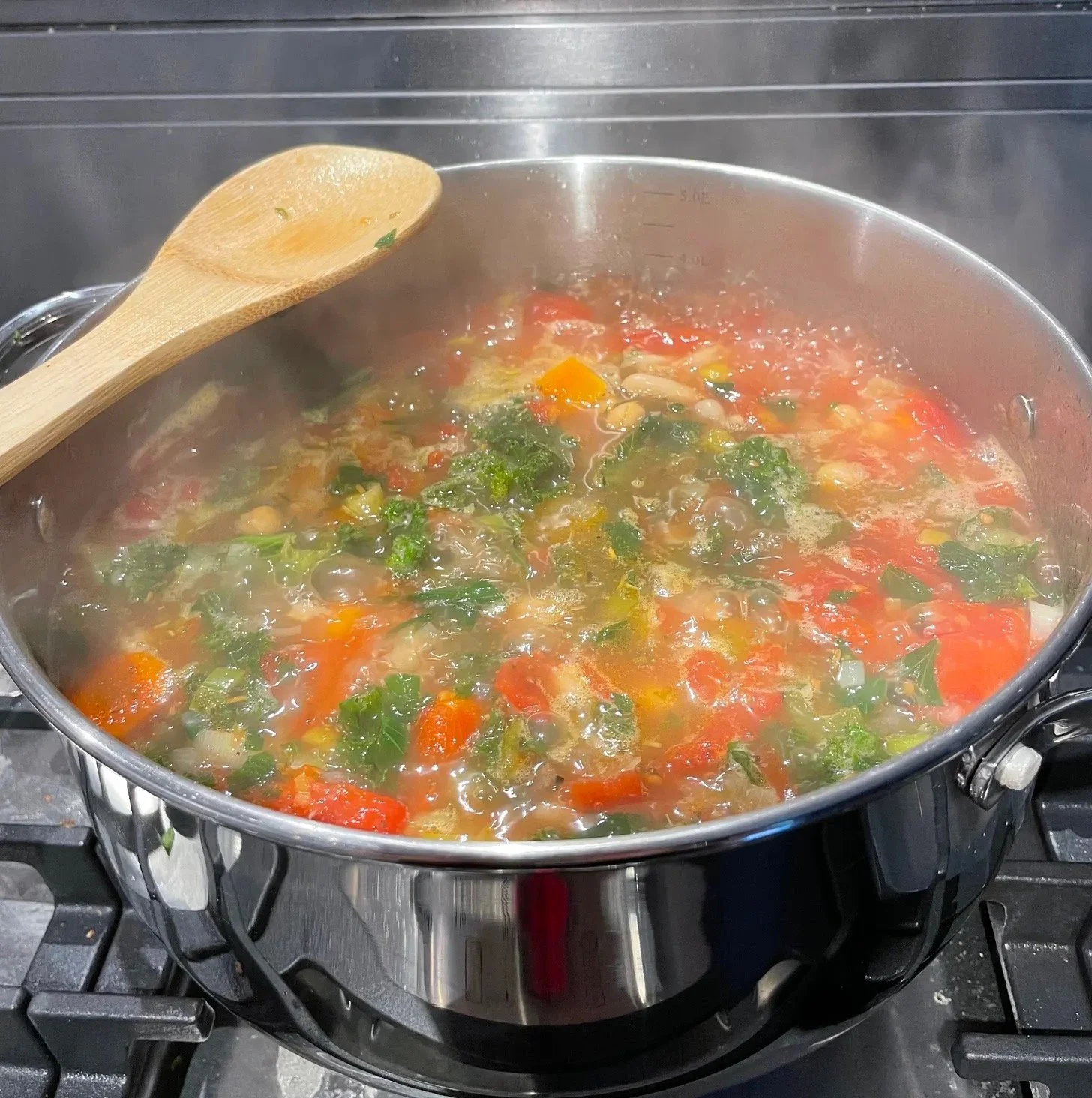
Plenty of colourful fruits and vegetables
Fibre-rich foods
Legumes
Whole grains
Nuts and seeds
Omega-3 rich foods such as fatty fish
Minimally processed foods most of the time
This is one reason Mediterranean-style eating patterns are often associated with positive health outcomes. They are not based on restriction. They are instead based on abundance and variety.
The role of hormones
During perimenopause and menopause, changing estrogen levels can influence many systems throughout the body. This is one reason the basics of nutrition become even more important. Adequate energy intake, sufficient protein, healthy fats, fibre, and micronutrients all contribute to supporting overall health during this transition.
There is no single “menopause diet.”
There is no perfect meal plan that will solve every symptom; but there are nutrition foundations that create a stronger foundation for your body.
The bigger picture
In Part 2 of this series, we talked about symptoms being signals rather than setbacks.
Nutrition is another example of this. Instead of asking: “What foods can I remove?”; try asking: “What does my body need more of?”
More protein?
More colour?
More fibre?
More nourishment?
More consistency?
The goal of nutrition in midlife is not perfection, it’s support. Your body is adapting. Your needs are changing. Your nutrition should evolve too. Building strength through midlife is not just about lifting heavier weights; it’s about creating the foundation that allows you to keep lifting, moving, playing, exploring, and living fully for decades to come.
In Part 4 of this series, I will share my own experience adapting my powerlifting training during perimenopause, including why I moved from four training days per week to three and how prioritizing recovery has made me a stronger athlete.
Because becoming stronger is not always about doing more. Sometimes it’s about doing what allows you to keep moving forward.